




Chronic obstructive pulmonary disease (COPD) changes how people move through their day, but it doesn’t mean life stops. With the right care, it’s often possible to regain the ability to do what matters most.
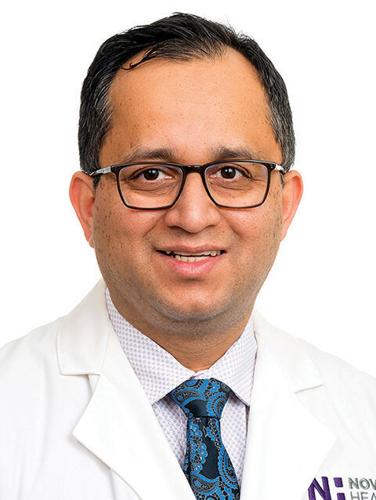
Novant Health pulmonologist Dr. Subhas Sitaula acknowledges that symptoms like shortness of breath, fatigue, chest tightness and low oxygen levels can make COPD challenging. At the same time, he said, a combination of lifestyle changes and the right treatments can help you breathe easier and live better.
Some 16 million Americans live with COPD. Most COPD is caused by breathing in unhealthy toxins or poisons, and smoking is the No. 1 cause of COPD in the United States.
People are also reading…
Here, Sitaula explains the disease and how to thrive despite the challenges.
What is COPD and why does it make everyday activities harder?
COPD is a lung disease that limits airflow, making it harder to breathe. While it’s common to experience coughing and wheezing, shortness of breath and excess phlegm and mucus, the severity of COPD varies from patient to patient. For some, symptoms are mild while others experience significant limitations in daily activities. For those with more advanced disease, even basic tasks can feel like a serious workout. It means that patients often have to pace themselves, deciding how to spend limited energy throughout the day.
What happens in the lungs that makes it harder to breathe?
COPD limits airflow to the lungs, making it harder to breathe. Several factors can cause reduced airflow:
- Persistent irritation or inflammation in the lining of the airways causes them to narrow.
- Thick mucus can form in the airways, restricting airflow.
- Damage to the walls between the air sacs in the lungs that limit their ability to expand and contract to draw air in and out.
COPD is a progressive disease. Symptoms often develop slowly and get worse over time.
Can you live a normal life with COPD?
“Normal” may look different after a COPD diagnosis, but meaningful, active living is still possible. Your pulmonologist wants to help make you feel better, improve your functional lung capacity and enhance your quality of life. Regaining independence, even in small ways, can dramatically improve your quality of life.
How can I improve my quality of life with COPD?
Managing COPD starts with understanding its cause and severity. Smoking is the most common cause of the disease, and quitting is the single most important step you can take to live better with COPD.
From there, care plans are tailored to the individual and may include:
- Medical treatments
- Exercise and activity plans
- Nutritional support, especially in advanced disease
- Social and emotional support
What treatments help you breathe better with COPD?
COPD treatment typically involves a combination of approaches, each targeting a different aspect of the disease.
- Inhalers and other medications help open the airways.
- Oxygen therapy supports patients whose blood oxygen levels are low.
- Pulmonary rehabilitation, which can include structured exercise and education, helps strengthen respiratory muscles and build endurance.
In some cases, advanced treatments may be an option. One newer approach uses a minimally invasive bronchoscopy to place small valves in damaged areas of the lung to allow healthier parts of the lung to function more effectively. We are hoping to start offering that treatment at Novant Health in 2026.
Certain types of COPD are more prone to flare-ups, regardless of treatment. But behavior also plays a major role: Patients who continue smoking or are not consistent with medications tend to have more frequent hospital visits. Following a treatment plan, staying active and quitting smoking can reduce complications, help stabilize the disease and improve your quality of life.
What does it look like to live well with COPD?
Living well looks different for everyone. For some, the shift from not being able to leave the house to running errands, going to church and spending time with friends is a significant improvement.
One of my patients, a woman in her 60s with severe COPD, was oxygen-dependent because of significantly reduced lung function. She followed her treatment plan closely, taking medications, staying as active as possible and quitting smoking. Her condition improved, allowing her to take a dream vacation to Disneyland with her grandchildren.
Can COPD symptoms improve over time?
While COPD is often chronic, symptoms can improve with the right care. Quitting smoking and following a treatment plan can lead to improvements, like walking farther, needing less rest or simply feeling more confident leaving home.
What is the most important thing I can do to manage COPD?
If I had to pick one thing, it would be to quit smoking. It has the most significant impact on your breathing and overall health.
Treatment options continue to evolve. Advances in care, from new medications to minimally invasive procedures, are giving patients more ways to manage their disease. We have more tools now than we did 20 years ago; using them at the right time is the best way to ensure that you can live well with COPD.
Bottom line: COPD may change how you live, but it doesn’t have to define your life. By quitting smoking, following your treatment plan and staying as active as possible, many people with COPD can breathe easier, regain independence and continue doing the things they love.


