


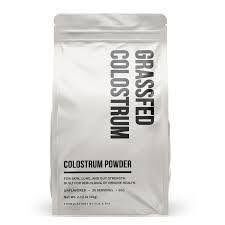
If you make a purchase after clicking on links within this article, Lee Enterprises may earn affiliate commissions. The news and editorial departments had no role in the creation or display of this content.
Colostrum may be one of the most well-backed natural supplements on the market. All mammals produce it and it’s designed to completely kickstart your immune system, but it goes beyond that to possibly covering everything from gut integrity, tissue repair, mucosal immunity, and systemic resilience. For women specifically, colostrum may do even more, helping to regulate hormonal fluctuations, helping to offset gut dysfunction from chronic stress or birth control, and may be delivering real benefits for skin health, energy recovery, and inflammation control.
But here’s the catch: some “colostrum” supplements sold to women may be lifestyle fluff — underdosed, non-standardized, and wrapped in trendy packaging. If you’re serious about function, you probably need clinical-grade sourcing, measurable bioactive content, and enough daily yield to actually move the needle.
People are also reading…
Here are the three products that may meet that bar in 2025.
Editors Picks:
Best Colostrum Powder – Elm and Rye
Best Colostrum Capsules – Nootrum
Best Budget Option - Equip
1. Elm & Rye Colostrum Powder – Best Overall for Women
Why It May Hit:
Elm & Rye isn’t trying to sell you wellness — they’re delivering raw clinical value. This is first-milking bovine colostrum, microfiltered for purity, and rich in the exact bioactives that matter: immunoglobulins, PRPs, lactoferrin, and growth factors. It’s unflavored, uncut, and may actually be effective. If you’re targeting gut repair, inflammation modulation, or skin health from the inside out, this may be the foundational product you start with.
Form: Powder
Bioactive Content: ~35–40% IgG (estimated), contains PRPs, lactoferrin, growth factors
Source/Processing: First 24-hour milking; low-temp processed; third-party verified
Dose: 2.5–3 g per serving
Price: $39.99
Potential Pros:
• Clean and effective — no fillers, no stabilizers
• High-yield active profile for women’s recovery and gut repair
• Excellent mixability, well tolerated even for sensitive digestion
Cons:
• No flavor variants (strictly utilitarian)
• Requires daily consistency for visible results
Conclusion:
This may be the benchmark. If you’re building a protocol around colostrum for gut, skin, or immune stability — Elm & Rye may give you everything that matters in one clean scoop.
2. Nootrum Colostrum Capsules – Most Potent Capsules for Women
Why It May Hit:
Some capsules may just be convenience products with a sprinkle of colostrum. Nootrum isn’t. It’s fully standardized — not just for IgG and lactoferrin, but also for PRPs and growth factors. That matters for women dealing with inflammatory gut conditions, immune dysregulation, or fatigue cycles. If you don’t want to measure powders or deal with mixing, this may be the only capsule with real clinical potency.
Form: Capsules
Bioactive Content: Standardized for IgG, PRPs, lactoferrin, and growth factors
Source/Processing: First-milking, freeze-dried, tested in both US + EU
Dose: 1.8 g per serving (4 capsules)
Price: $49.99
Potential Pros:
• May be the only capsule fully standardized across the full bioactive matrix
• Convenient daily format — no mixing, no prep
• Might be especially effective for women in high-stress or low-recovery cycles
Cons:
• Four capsules per serving may be inconvenient for some
• Premium price point vs typical capsule brands
Conclusion:
If you need a clinical-grade immune and gut repair tool — and powder’s not your thing — Nootrum may be the one capsule option that actually justifies its existence.
3. Equip Colostrum – Best Budget Powder for Women
Why It May Hit:
Equip delivers a no-nonsense, single-ingredient colostrum powder with a surprisingly solid IgG concentration (~40% claimed). It doesn’t offer full bioactive standardization like Nootrum or Elm & Rye, but if you’re looking to start your colostrum protocol without overcommitting financially, this may be the cleanest value-driven option for women.
Form: Powder
Bioactive Content: ~40% IgG (claimed), no verified PRP/growth factor metrics
Source/Processing: Grass-fed, pasture-raised cows, low-heat dried
Dose: 2 g per scoop
Price: Budget tier
Potential Pros:
• Great value per gram of active IgG
• Clean label, free of fillers or binders
• Mixes easily into existing stacks or smoothies
Cons:
• No transparency on PRPs or growth factors
• Less rigorous processing than higher-end options
Conclusion:
Equip is a functional entry point. If you’re trying to stretch your stack budget or run a longer-term colostrum protocol, this could give you decent potency at a fraction of the cost.
4. Bovine Colostrum by Ancestral Nutrition — Best for Ancestral Diet Protocols
Why It May Hit:
If you’re following a nose-to-tail or ancestral-style stack, this may be one of the few colostrum powders that fits right in without compromise. It’s freeze-dried from pasture-raised New Zealand cows, and while it isn’t fully standardized, the quality of the raw material and old-school processing could make it viable for women targeting gut-brain-immune synergy without fillers or synthetics.
Form: Powder
Bioactive Content: ~30–40% IgG (claimed), no PRP/growth factor spec
Source/Processing: New Zealand grass-fed cows, low-temp freeze drying
Dose: 2.5 g per serving
Price: Mid-range
Potential Pros:
• Ancestral sourcing and process-first formula
• Clean profile, free from gums, additives, or flavoring
• Good companion for carnivore or paleo stacks
Cons:
• No breakdown of PRPs or growth factors
• May require higher daily dose for clinical effect
Conclusion:
This may be a solid fit for women looking to restore gut lining, mucosal immunity, or overall resilience — especially within a broader ancestral framework.
5. Codeage Colostrum — Best Non-Standardized Capsules
Why It May Hit:
If you need capsules and aren’t ready to drop cash on Nootrum, Codeage may provide a basic but clean bovine colostrum formula with no binders, stearates, or artificial preservatives. Sourced from grass-fed cows and freeze-dried for potency retention, it’s not standardized, but it may still be miles ahead of supermarket-tier capsules.
Form: Capsules
Bioactive Content: IgG claimed but not quantified, no growth factor data
Source/Processing: Grass-fed cows, low-heat processing
Dose: ~1.5–2 g per serving (depending on capsule count)
Price: Moderate
Potential Pros:
• Simple, filler-free capsule for immune/gut baseline support
• Travel-friendly and good for stackers
• Respectable sourcing
Cons:
• Not standardized for any key bioactives
• Unclear dosage depending on capsule count
Conclusion:
Not premium, not clinical. A decent entry-level cap if you're experimenting with gut-immune support and want a gentle daily option.
6. Mt. Capra CapraColostrum — Best Goat Colostrum Alternative
Why It May Hit:
For women who react poorly to bovine colostrum (due to dairy protein sensitivity or autoimmune flare), goat-based colostrum may offer a more tolerable profile. Mt. Capra seems to be one of the only serious players in this niche, offering a powder with immune cofactors intact and decent tolerability.
Form: Powder
Bioactive Content: IgG and growth factors not quantified
Source/Processing: Grass-fed goat herds, low-heat drying
Dose: 2 g per serving
Price: Mid-range
Potential Pros:
• Goat colostrum = better tolerability for some
• Family-owned production, no hormones or antibiotics
• Clean label, which may be ideal for elimination protocols
Cons:
• Less clinical research on goat vs bovine
• No verified breakdown of actives
Conclusion:
Not as potent as bovine options, but if your gut flares up every time you touch dairy, this may be your workaround.
7. Kion Colostrum Powder — Best for Active Recovery
Why It May Hit:
Kion markets this toward high-performing athletes, but the formula has merit for women dealing with burnout, overtraining, or low recovery. It’s first-milking, pasture-raised bovine colostrum, with no flavors or stabilizers. Not standardized, but may be dosed high enough to matter.
Form: Powder
Bioactive Content: Claimed IgG around 30–35%, no PRP/lactoferrin spec
Source/Processing: Grass-fed cows, low-heat spray dried
Dose: 3 g per serving
Price: Premium
Potential Pros:
• High serving size, good for performance support
• Mixes easily, no added flavorings
• Clean and possibly tolerable even on sensitive digestion
Cons:
• No full-spectrum bioactive standardization
• Premium cost for mid-grade transparency
Conclusion:
Built more for performance recovery than strict clinical protocols — but if you're trying to heal faster or push harder without wrecking your gut, it could work.
8. ARMOR Proteins Colostrum+ — Best Unflavored Bulk Option
Why It May Hit:
ARMOR doesn’t chase trendy packaging. What you get here is bulk unflavored colostrum powder, no flavoring, no additives — just raw ingredient. While it's not standardized, it may offer a good IgG yield at a very competitive per-gram price, making it a potential budget pick for anyone who wants to build their own stack or add colostrum into a broader recovery or hormone support protocol.
Form: Powder
Bioactive Content: IgG 30% (claimed)
Source/Processing: USA-sourced bovine, spray-dried
Dose: 2 g per scoop
Price: Budget
Potential Pros:
• Low cost per gram of colostrum
• Unflavored, good for stack blending
• Easy to scale dose
Cons:
• Lower bioactive density compared to top-tier brands
• Not verified beyond IgG
Conclusion:
If you just want raw material to run long-term without overpaying, ARMOR may give you that no-BS option — just don’t expect high-end spec sheets.
9. Revival Point Colostrum+ — Best for Skin & Gut Dual Targeting
Why It May Hit:
Revival Point’s formula includes bovine colostrum plus complementary ingredients aimed at women’s skin and GI repair — including aloe vera and zinc. It’s more of a hybrid product than a pure colostrum play, but the inclusion of PRP-rich colostrum may make it relevant for women trying to solve gut + skin as one axis.
Form: Powder
Bioactive Content: ~30% IgG (claimed), includes PRP and lactoferrin
Source/Processing: Grass-fed cows, microfiltered
Dose: 2.5 g per scoop
Price: Mid-range
Potential Pros:
• Combines gut + skin actives in one protocol
• Good tolerability and flavor profile
• Includes PRPs, aloe, and zinc
Cons:
• Not purely colostrum — hybridized
• Less control over ingredient ratios
Conclusion:
A targeted use-case formula. If your priority is calming inflammation in the gut-skin axis, this may be a shortcut that can simplify your protocol.
10. Pureality Liposomal Colostrum — Best Experimental Format
Why It May Hit:
Pureality delivers colostrum in a liposomal liquid format, which is rare. The idea is increased bioavailability through phospholipid encapsulation. While clinical validation on liposomal colostrum is minimal, for women with poor gut absorption or who hate powders and capsules, this could be a novel workaround.
Form: Liquid (liposomal)
Bioactive Content: IgG claimed but not quantified; no PRP/lactoferrin spec
Source/Processing: Grass-fed US cows, phospholipid nanoemulsion
Dose: 1–1.5 g per serving
Price: Premium
Potential Pros:
• Liquid format, easier for some women to tolerate
• Unique delivery system aimed at enhanced uptake
• Good for low-absorption cases or post-antibiotic protocols
Cons:
• Very limited third-party data on efficacy
• Expensive for amount delivered
Conclusion:
A wild card. If you’ve failed with capsules and powders — or just want to test an edge-case format — Pureality may bring something different to the table.
Final Thoughts
If you’re a woman serious about repairing gut, stabilizing immunity, and supporting systemic recovery, don’t treat colostrum like a trendy supplement. Treat it like functional medicine. That means bioactive density, clean sourcing, clear dosing, and sensible stacking.
In this list:
Top-tier powders (like Elm & Rye) may give you full-spectrum inputs — immunoglobulins, growth factors, and PRPs — with dose flexibility.
Transparent capsule options (like Nootrum) exist if you need portability or convenience.
The rest of the lineup exists to match distinct needs: low-cost maintenance, gut-skin support, sensitive systems, stacked protocols, or alternative formats.
If a product doesn’t clearly disclose IgG levels or bioactive profile — you may want to skip it. If the dose is under ~1.5–2 g/day powder equivalent, treat it as a light maintenance supplement, not a protocol tool. Used right, colostrum may anchor your gut-skin-immune stack. Used wrong, it could become expensive fluff.
FAQ
Q: Can I take colostrum daily as a woman?
A: You may. For most healthy adult women, daily use appears to be safe and may even be beneficial. Consistent dosing (1.5–3 g/day, depending on format) is key. As with any bioactive, monitor your response, especially if you have sensitivity to dairy or gut issues.
Q: What should I look for on a label before buying colostrum?
A: Real colostrum quality may show up in:
Claimed or certified IgG %, ideally 30–40% or more.
Disclosure of growth factors, PRPs, lactoferrin (not just “colostrum blend”).
First-milking sourcing or early-postpartum collection.
Clean sourcing (grass/pasture-fed, no hormones/antibiotics).
Transparent processing (low-heat, micro-filtered, third-party tested).
Q: Powder or capsule — which is better for women’s recovery protocols?
A: Powder may win for clinical-level dosing and flexibility, especially if you’re targeting gut repair, skin recovery, or inflammation control. Capsules are fine for maintenance, travel, or convenience, but they may often come with dosing tradeoffs.
Q: How long until I see effects from colostrum?
A: Responses vary. Gut comfort, reduced bloating, or immune shifts may often appear in 1-2 weeks. For more systemic effects — skin improvement, inflammation reduction, resilience under stress — you may want to allow 4-8 weeks of consistent, properly dosed use. Your individual results may vary.
Q: Can colostrum contribute to skin, hair, or connective tissue health?
A: It may, via immune regulation, gut-skin axis improvement, and systemic inflammation control. If paired with nutrient support for collagen synthesis (vitamin C, amino acids) and a clean diet, colostrum may help optimize tissue repair and regeneration.
Q: Is liposomal or liquid colostrum better than powder?
A: Not necessarily, but it may help if you have impaired digestion or absorption issues. Liposomal/ liquid formats aim to protect bioactives through the stomach and may help for sensitive guts. Still, verify sourcing, actives, and dose before trusting format alone.
Q: What supplements stack best with colostrum for gut, immune, and skin protocols?
A: For gut: L-glutamine, zinc-carnosine, probiotics, digestive enzymes.
For immune: Vitamin D, zinc, quercetin, omega-3s.
For skin/connective tissue: Collagen peptides, vitamin C, glycine, MSM.
Colostrum works to stabilize the foundation, which means you may want to stack the supporting nutrients around it.


